Hamas, Israel Sign Ceasefire — But Bombs Still Fall Over Gaza
Global powers hail a “historic peace,” yet residents report continued strikes and shattered hopes.
10/11/20252 min read
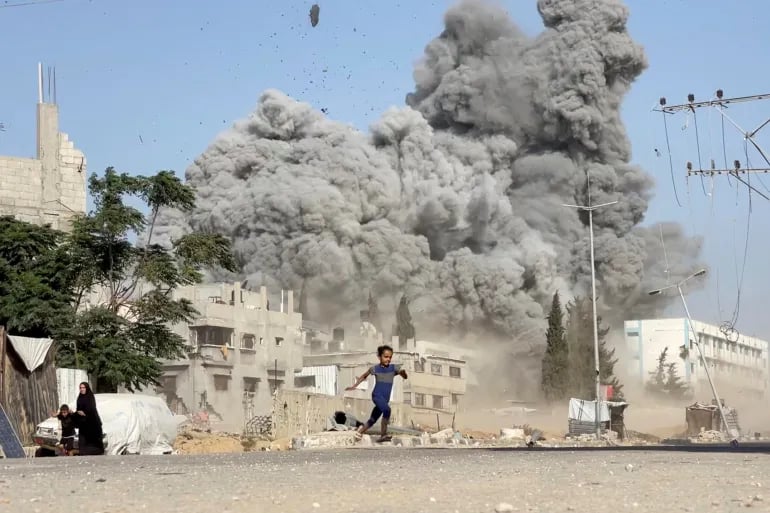
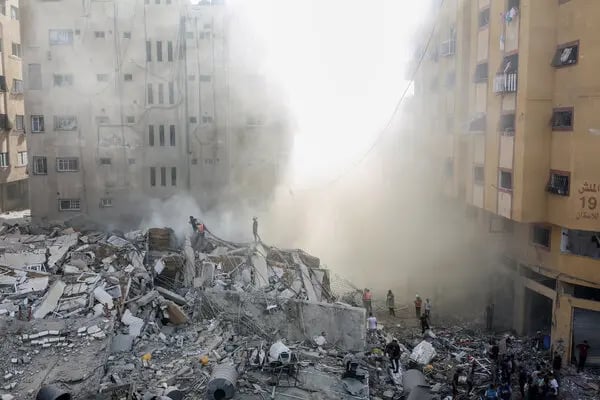
As world leaders celebrated a “new dawn” for the Middle East, Gaza’s night sky told a different story — streaked with fire, echoing with explosions, and thick with the smoke of ongoing bombardments.
On Thursday, Hamas and Israel formally signed a ceasefire agreement aimed at ending two years of devastating conflict. The deal, brokered by the United States, Egypt, and Qatar, promises the gradual withdrawal of Israeli forces from Gaza in exchange for the release of hostages and Palestinian prisoners.
For much of the world, the announcement marked a turning point — a long-awaited step toward stability and reconstruction in a region ravaged by violence. But in Gaza, residents say the so-called peace has yet to reach them.
“We were told the war is over,” said Amal Abu Rayan, a displaced mother sheltering in central Gaza. “Yet the sky is still roaring. Where is the ceasefire they talk about?”
A Fragile Truce Amid Unrest
According to local health officials and aid workers, sporadic shelling and drone strikes continued overnight, even after the ceasefire’s effective start time. Israeli officials have not publicly addressed the reports but maintain that any ongoing operations target “security threats.”
Meanwhile, international leaders, including U.S. President Donald Trump and UN Secretary-General António Guterres, have hailed the agreement as a “path toward peace and Palestinian self-determination.” Guterres urged all parties to “seize this momentous opportunity to establish a credible political path forward.”
Yet on the ground, the destruction tells another tale. More than 40,000 people have been killed since the conflict began in October 2023, and reconstruction costs are now estimated at $80 billion — four times the combined GDP of Gaza and the West Bank.
Political Promises vs. Ground Reality
The Palestinian Authority (PA), long sidelined in the conflict, is expected to play a role in Gaza’s post-war governance under the terms of the U.S.-backed peace plan. However, analysts warn that the fragmented political landscape, combined with lingering distrust between Hamas and the PA, may derail any lasting stability.
Prime Minister Mohammad Mustafa said the PA remains committed to reforms and reconstruction but cautioned against letting “political optics” overshadow the humanitarian crisis. “This is not just about governance,” he told Reuters. “It’s about survival.”
A Peace That Feels Like Pressure
For Gaza’s civilians, the ceasefire feels like little more than a pause between airstrikes — a symbolic gesture for global headlines rather than genuine relief on the ground.
“This deal might calm the news cycle,” said a local journalist in Rafah, “but it hasn’t stopped the bombs. The world calls it peace — we call it another kind of war.”
Despite diplomatic optimism, Gaza remains under siege — its people caught between promises of peace and the persistence of violence. For many, the ceasefire has not ended the war; it has only renamed.
"RAISE YOUR VOICE NOW, BEFORE YOU'RE RAISED FOR JUDGMENT."